Introduction
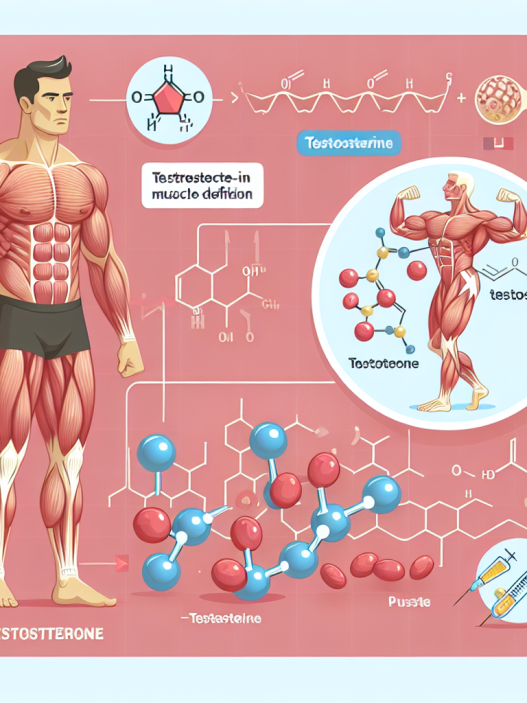
Methyltestosterone is an anabolic steroid that has gained notoriety in the world of athletics. Originally developed to treat various medical conditions, its performance-enhancing properties have made it popular among some athletes. However, the use of such substances poses significant ethical and health questions.
Detailed information about Methyltestosterone can be found at Methyltestosterone Results – a comprehensive source for sports pharmacology in Ireland.
Effects of Methyltestosterone
Methyltestosterone is known to have several effects that attract athletes:
- Increased Muscle Mass: One of the primary reasons athletes use methyltestosterone is to enhance their muscle mass and strength quickly.
- Improved Recovery Time: Users often report faster recovery periods, allowing for more frequent and intensive training sessions.
- Enhanced Endurance: Some athletes experience improved stamina, which can lead to better performance in their respective sports.
Ethical Considerations
The use of methyltestosterone in sports raises a range of ethical issues. Many sports organizations consider it a banned substance due to its potential to provide an unfair advantage. Athletes caught using it may face sanctions, including suspensions and loss of titles.
Health Risks
While methyltestosterone may offer short-term benefits, it also poses several health risks, including:
- Hormonal Imbalances: Prolonged use can disrupt the body’s natural hormone levels.
- Cardiovascular Issues: Increased risk of heart attacks and strokes have been reported in users.
- Liver Damage: Being an oral steroid, it can cause significant liver damage over time.
Conclusion
In summary, while methyltestosterone may appeal to some athletes for its muscle-building and performance-enhancing properties, its ethical implications and associated health risks cannot be overlooked. Adopting a clean training regimen is essential for long-term success in athletics.